
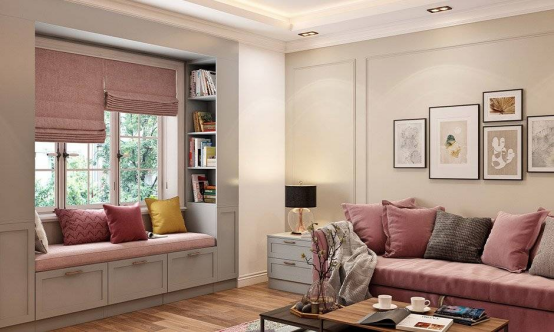
In design, bay windows are spaces brimming with romance and imagination. However, for many families, this unique corner often becomes a useless place to pile up clutter or a mere viewing platform. With a little planning and creativity, a bay window can be transformed into the most practical and soothing centerpiece of your home. This guide will help you fully unlock the secrets of bay window furniture, allowing you to maximize every inch of space.
Chapter 1: Planning First – Essential Considerations Before Using Bay Windows
Before you start shopping for furniture and decor, a calm analysis is the first step to a successful remodel.
Measurements are the cornerstone: Accurately measuring the length, width, and height (the height from the windowsill to the ground) of your bay window is the foundation of all design. This directly determines the size of furniture you can customize or purchase.
Identify primary functional needs: Ask yourself: What do I need this space for most?
Storage needs: Not enough storage space at home and need extra cabinets?
Leisure needs: Want a corner where you can sunbathe, read, or just relax?
Work and study needs: Lack of a quiet study room?
Hospitality needs: Looking for additional seating space?
Consider environmental factors:
Lighting: Bay windows usually have plenty of light and are suitable for reading, but sun protection should also be considered.
Waterproof and moisture-proof: Especially for bay windows that are severely exposed to western sunlight, attention should be paid to the aging of wood and fabrics.
Safety: Families with children need to ensure that the furniture is stable and avoid sharp corners.
Chapter 2: Core Furniture Selection – Building the Framework of the Bay Window
Choosing the right core furniture based on functional requirements is the key to renovation.
Customized cabinets – the king of storage
Floor cabinets/storage cabinets: This is the most common and practical option. Floor cabinets built around the bay window provide ample hidden storage space for books, toys, out-of-season clothing, and more. The cabinet tops become perfect sitting and sleeping platforms.
Bookshelf: Built-in bookshelves are built into the walls on both sides of the bay window and connected to the floor cabinets to form a coherent reading corner. This is a “fairy design” for small apartments.
Ready-made furniture – the flexible option
Tatami mats: This essential piece enhances comfort. Customize a thick tatami mat based on the size of the windowsill, and it instantly transforms into a comfortable, soft couch. The interior can also be designed as an openable storage compartment.
Small side table/coffee table: A lightweight, movable side table is the perfect complement to a bay window. Use it to place tea, books, and green plants, and easily move it out of the way when not in use, keeping the space flexible.
Bean bags/futons: If you have enough space, place a bean bag or a few futons to create an extremely relaxing and lazy atmosphere.
Chapter 3: Functional Scenario Transformation – Giving Bay Windows a Soul
Only by combining furniture with function can we truly activate the space.
Create a relaxing reading corner
Configuration: storage cabinet + customized cushions + cushions/throws + bookshelves on both sides + a floor lamp or wall lamp.
Key points: For cushions and pillows, it is recommended to choose skin-friendly fabrics such as velvet, cotton, and linen. The color can be determined according to the overall style. Lighting is key to creating a reading atmosphere.
Transform into a mini home office
Configuration: Customize a workbench that is the same length as the bay window (directly placed on the cabinets on both sides) + a comfortable chair.
Key points: Plan your outlets and wiring in advance for easy computer charging. Ensure your work surface is deep enough for your computer and your arms. The beautiful view outside your window is the perfect source of inspiration for your work.
Create a warm tea and rest area
Configuration: soft cushion + small coffee table + tea set + scented candles.
Key points: Choose a small coffee table with a suitable height and unique shape. It is a perfect place for meditation and chatting with friends.
Create a children’s playground
Configuration: soft floor mat + toy storage cabinet without sharp corners + anti-collision strip.
Key Point: Safety comes first. Lay down a soft mat and store toys in a cabinet to create a sunny play area just for your child.
Create a green garden
Configuration: Layered flower racks + sun-tolerant and sun-loving plants (such as succulents, cacti, green ivy, and geraniums).
Key points: Pay attention to waterproofing to avoid water leakage when watering flowers. Well-arranged green plants can make the home full of vitality.
Chapter 4: Soft furnishings add the finishing touch – enhancing appearance and comfort
Details determine success or failure, and soft furnishings are the final step in making the bay window warm and charming.
Curtain selection: A double-layer design of gauze and fabric curtains is recommended. Gauze curtains provide privacy and soft light, while fabric curtains provide complete light blocking and protect furniture from direct sunlight. Venetian blinds are also a modern option for creating light and shadow effects.
Lighting creates atmosphere: In addition to the main light, adding a gentle wall lamp or a string of fairy lights can create a romantic and dreamy effect at night.
Throw pillows and throw blankets: These are the simplest comfort-enhancing tools. A combination of throw pillows in different textures, colors, and sizes, along with a soft throw blanket, is instantly inviting.
Echo of the carpet: Placing a small carpet under the bay window can better define this area from the overall space and enhance the sense of warmth.
Chapter 5: Pitfall Avoidance Guide and Precautions
Load-bearing safety: Bay window countertops are usually made of concrete and generally have no problem bearing the weight. However, if it is a built-in cabinet, the structure must be stable.
Waterproof and moisture-proof: For bay windows in humid areas in the south or those exposed to severe western sunlight, avoid using panels that are easily affected by moisture and deformed, and the fabric should also be made of sun-resistant materials.
Privacy protection: Bay windows on lower floors need to pay attention to privacy issues, and can be solved by using curtains or window stickers.
Cleaning and maintenance: The design should take into account the convenience of cleaning to avoid leaving sanitary dead corners that are difficult to clean.
Conclusion:
A bay window is far from a passive architectural structure; it’s a space with untapped potential waiting to be activated. It can be a spiritual corner of your home or a powerful functional hub. Through rational furniture planning, clear functional positioning, and thoughtful soft furnishings, you can transform this “useless” feature into a beloved “Easter Egg” in your life. Get started now and create a customized renovation plan for your bay window to unlock this uniquely comfortable and practical experience!