
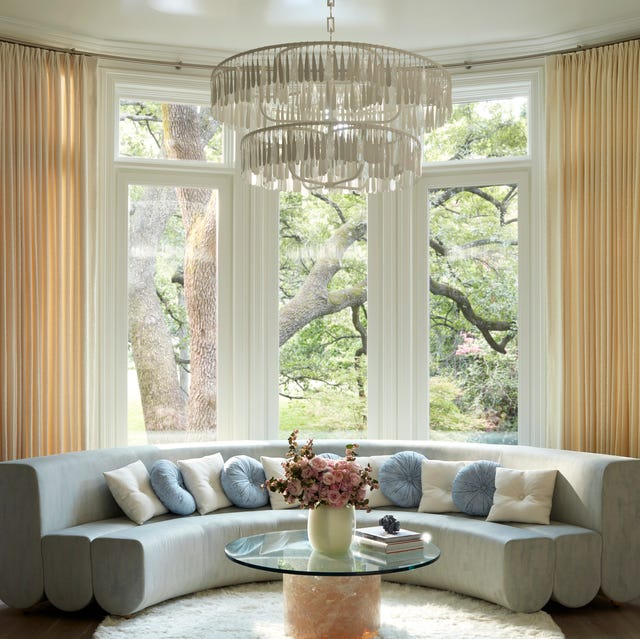
A high ceiling can give a space a transparent atmosphere, but it can also make the room appear empty and deserted. How to use design techniques to make tall spaces both atmospheric and warm? Here are 5 practical strategies that have been proven through practice to help you create a high-end space that combines style and comfort.
1. Activate Vertical Space with Stereoscopic Art Installation
Hanging large three-dimensional artworks in a high ceiling room is the key to breaking monotony. For example, in the center of the living room or dining room, choosing an art installation with a strong sense of drape, such as a hand woven tapestry or metal sculpture, extending from the ceiling to mid air, can not only attract the line of sight to extend upwards, but also inject an artistic atmosphere into the space. Paired with towering curtains, the continuous lines from the ceiling to the ground can further enhance the verticality of the space and avoid the walls appearing bare.
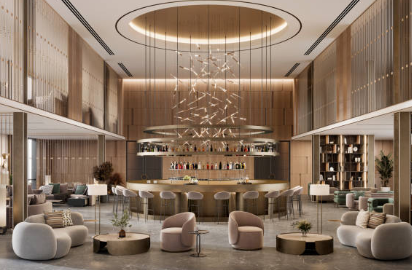
2. Enrich wall layers with large-area patterned wallpaper
A blank high wall can easily make a high ceiling space appear dull, while bold wallpaper design can instantly enhance the style. Choose large-sized geometric patterns, plant patterns, or abstract art wallpapers to cover the entire wall and fill the tall walls with the sense of pattern extension. For example, vine wallpaper with a gradient green tone can create an indoor garden atmosphere and make the space full of vitality. It should be noted that the proportion of the pattern should match the layer height to avoid the cluttered feeling caused by fine patterns.
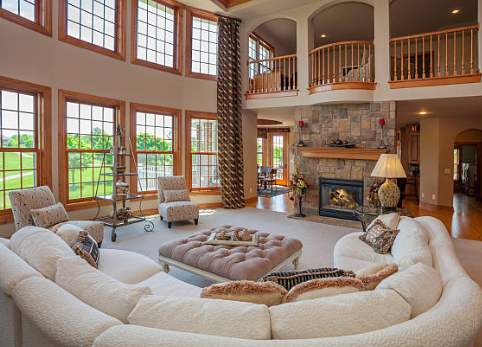
3. Balance the spatial proportions with giant furniture
The size of furniture needs to be coordinated with the high ceiling space. In the bedroom, choosing a super large headboard or customized wardrobe can visually “lower” the space and avoid being top heavy. For example, a towering wooden bookshelf can serve as both a storage space and a visual focal point of the space. At the same time, the dramatic effect can be enhanced by comparing materials, such as metal lighting fixtures with fabric sofas, making the spatial hierarchy more diverse.
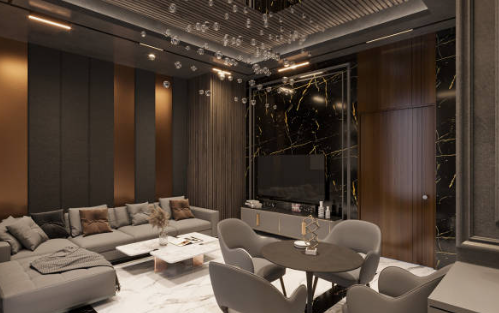
4. Focus the line of sight with multi-level lighting and ceiling design
Lighting is an important tool for shaping the atmosphere of high-rise spaces. Install a large chandelier with exaggerated design, such as a crystal lamp or modern art chandelier, in the dining room or living room as the visual center of the space. At the same time, add auxiliary light sources such as wall lamps or floor lamps in corners or surrounding areas to create a multi-level lighting effect. In addition, the decoration of the ceiling can also be done well, such as designing geometric shaped ceilings, wooden beams, or painted patterns, making the headspace a unique design highlight.
5. Use dark paint to soften the cold and steep feeling of the space
Dark paint is a secret weapon for adjusting the proportion of high ceiling space. Brushing the ceiling in dark gray, dark green, or navy blue can visually lower the ceiling height and make the space more welcoming. For example, pairing with light colored walls creates a contrast, while dark ceilings can become a stable foundation for the space. If you are concerned that the full dark color may be too oppressive, you can use it locally, such as adding dark colors to the edges of ceilings or decorative lines, and then transitioning to light colored walls through gradient techniques to create a soft sense of hierarchy.
Conclusion: Make high ceiling space an extension of style
A high ceiling is not a design challenge, but a stage for showcasing creativity. Through three-dimensional art, bold use of colors, well proportioned furniture, and clever lighting design, it can not only highlight the tall advantages of the space, but also create a warm and livable atmosphere. The key is balance – filling the vertical space with layered design, making every inch of the high ceiling the finishing touch to enhance the style.